Posts

Indian Peacock

Image
The Indian peacock, also known as the blue peafowl, is a fascinating bird with a rich history and cultural significance in India. From its striking appearance to its role in mythology, the Indian peacock has captured the imaginations of people around the world. The Indian peacock is a large and majestic bird, with the male being larger and more colorful than the female. Male peacocks have a vibrant crest of feathers on their heads, a fan-like train of feathers that can reach up to six feet in length, and a stunning iridescent blue and green plumage. The female, or peahen, is less showy in appearance, with a brown and green coloration that helps her blend into her surroundings. Peacocks are omnivores and can be found in a variety of habitats, including forests, grasslands, and agricultural fields. They feed on insects, small mammals, reptiles, and even plants. During the mating season, male peacocks use their elaborate train of feathers in courtship displays to attract femal...

Rabbits in Maharashtra

Image
Rabits are not native to Maharashtra and were introduced to the region by humans for various purposes such as farming, hunting, and scientific research. Therefore, the biodiversity of rabbits in Maharashtra is not very diverse. The most common species of rabbits found in Maharashtra is the European rabbit (Oryctolagus cuniculus), which is the same species that is commonly kept as a pet around the world. In Maharashtra, European rabbits are mainly found in and around human settlements, agricultural fields, and forest edges. There are also a few other species of rabbits found in Maharashtra, but they are not native to the region. These include the cottontail rabbit (Sylvilagus sp.), which is native to North America and was introduced to Maharashtra for hunting purposes, and the hare (Lepus sp.), which is native to Europe and was also introduced to Maharashtra for hunting. It is important to note that while rabbits may not be very diverse in Maharashtra, they still play an imp...

рд╡рдирд╕्рдкрддी рдЖрдгि рдоाрдпрдХोрд░ाрдпрдЭा рдмुрд░рд╢ी рдпांрдЪ्рдпाрддीрд▓ рд╕ंрдмंрдз

Image
рд╡рдирд╕्рдкрддी рдЖрдгि рдоाрдпрдХोрд░ाрдпрдЭा рдмुрд░рд╢ी рдпांрдЪ्рдпाрддीрд▓ рд╕ंрдмंрдз рдоाрдпрдХोрд░िрдЭा рдо्рд╣рдгрдЬे рдмрд╣ुрддेрдХ рд╡рдирд╕्рдкрддींрдЪी рдоुрд│े рдЖрдгि рд╡िрд╢िрд╖्рдЯ рдмुрд░рд╢ी рдпांрдЪ्рдпाрддीрд▓ рдкрд░рд╕्рдкрд░ рдлाрдпрджेрд╢ीрд░ рд╕ंрдмंрдз. рдоाрдпрдХोрд░िрдЭा рд╣ा рд╢рдм्рдж рдЧ्рд░ीрдХ рд╢рдм्рдж "рдоाрдпрдХेрд╕," рдо्рд╣рдгрдЬे рдмुрд░рд╢ी рдЖрдгि "рд░िрдЭा," рдо्рд╣рдгрдЬे рдоूрд│ рдпा рд╢рдм्рджाрдкाрд╕ूрди рдЖрд▓ा рдЖрд╣े. рдоाрдпрдХोрд░ाрдпрдЭрд▓ рдмुрд░рд╢ी рд╡рдирд╕्рдкрддींрдЪ्рдпा рдоुрд│ांрднोрд╡рддी рд╕ूрдХ्рд╖्рдо рддंрддूंрдЪे рдЬाрд│े рддрдпाрд░ рдХрд░рддाрдд, рдЬ्рдпाрд▓ा рд╣ाрдпрдлे рдо्рд╣рдгрддाрдд. рд╣े рд╣ाрдпрдлे рд╡рдирд╕्рдкрддीрдЪ्рдпा рдоुрд│ांрдЪ्рдпा рдкрд▓ीрдХрдбे рдкрд╕рд░ू рд╢рдХрддाрдд, рдЬ्рдпाрдоुрд│े рдЬрдоिрдиीрддीрд▓ рдкोрд╖рдХ рдЖрдгि рдкाрдгी рд╢ोрд╖ूрди рдШेрдг्рдпाрдЪी рд╡рдирд╕्рдкрддीрдЪी рдХ्рд╖рдорддा рд╡ाрдврддे. рдмрджрд▓्рдпाрдд, рдмुрд░рд╢ीрд▓ा рдк्рд░рдХाрд╢рд╕ंрд╢्рд▓ेрд╖рдгाрдж्рд╡ाрд░े рд╡рдирд╕्рдкрддीрдж्рд╡ाрд░े рдЙрдд्рдкाрджिрдд рд╕ाрдЦрд░ рдЖрдгि рдЗрддрд░ рд╕ेंрдж्рд░िрдп рд╕ंрдпुрдЧे рдк्рд░ाрдк्рдд рд╣ोрддाрдд. рдоाрдпрдХोрд░िрдЭाрдЪे рджोрди рдоुрдЦ्рдп рдк्рд░рдХाрд░ рдЖрд╣ेрдд: рдПрдХ्рдЯोрдоाрдпрдХोрд░िрдЭा рдЖрдгि рдПंрдбोрдоाрдпрдХोрд░िрдЭा. рдПрдХ्рдЯोрдоाрдпрдХोрд░िрдЭा рдЭाрдбे рдЖрдгि рдЭुрдбुрдкेрд╢ी рд╕ंрдмंрдзिрдд рдЖрд╣ेрдд, рддрд░ рдПंрдбोрдоाрдпрдХोрд░िрдЭा рдЗрддрд░ рдмрд╣ुрддेрдХ рд╡рдирд╕्рдкрддींрдордз्рдпे рдЖрдврд│рддाрдд. рдПंрдбोрдоाрдпрдХोрд░िрдЭा рд╣ा рд╕рд░्рд╡ाрдд рд╕ाрдоाрди्рдп рдк्рд░рдХाрд░ рдо्рд╣рдгрдЬे рдЖрд░्рдмрд╕्рдХ्рдпुрд▓рд░ рдоाрдпрдХोрд░िрдЭा, рдЬो рдмрд╣ुрддेрдХ рдХृрд╖ी рдкिрдХांрдЪ्рдпा рдоुрд│ांрдордз्рдпे рдЖрдврд│рддो. рдоाрдпрдХोрд░ाрдпрдЭрд▓ рдмुрд░рд╢ी рд╡рдирд╕्рдкрддींрдЪ्рдпा рд╡ाрдвीрд╕ाрдаी рдЖрдгि рдЬрдЧрдг्рдпाрд╕ाрдаी рдорд╣рдд्рдд्рд╡рдкूрд░्рдг рдЖрд╣ेрдд, рдХाрд░рдг рддे рдкोрд╖рдХ рдЖрдгि рдкाрдгी рд╢ोрд╖рдг्рдпाрдЪी рд╡рдирд╕्рдкрддीрдЪी рдХ्рд╖рдорддा рд╕ुрдзाрд░рддाрдд...

Worlds largest hoeney producer bees

The world's largest honey producer is the honey bee (Apis mellifera), which is responsible for the majority of the world's honey production. Honey bees are social insects that live in large colonies, and they are found in many parts of the world, including Europe, Asia, Africa, and the Americas. Honey bees collect nectar from flowers and convert it into honey by regurgitating and evaporating the nectar in their hives. The honey is stored in honeycomb cells, where it is consumed by the bees as a source of energy and also serves as a food source for their larvae. Commercial honey production involves human beekeepers managing honey bee colonies and harvesting the excess honey that the bees produce. The top honey-producing countries in the world include China, Turkey, the United States, and Iran.

Snakes of Maharashtra

Image
The Western Ghats are a hotspot for biodiversity in India, with a large number of endemic snake species. Maharashtra alone is home to a large population of both venomous and non-venomous snake species, with multiple biodiversity parks for wildlife enthusiasts to spot them.  There are various types of snakes found in Maharashtra. They are highly protected and pose a threat to life in certain areas. Some of the important types of snakes found in Maharashtra are:  Indian Cobra: This snake is common in Maharashtra and is one of the distinctive snakes found in the state. It is not only venomous but also capable of providing relief to humans from venomous bites from other snakes through its venom.  Russell's Viper: This snake, also known as the Chain Viper or Daboia, is highly dangerous. It has various types of venom depending on its height and its teeth are extremely sharp. It causes significant blood circulation and can cause permanent damage to the body. Saw-scal...

рдХрдбрд╡ंрдЪी (Momordica cymbalaria) рдорд╣ाрд░ाрд╖्рдЯ्рд░ाрддीрд▓ рдПрдХ рдФрд╖рдзी рд╡рдирд╕्рдкрддी

Image
Momordica cymbalaria, рдЬ्рдпाрд▓ा рдХрдбрд╡ांрдЪी рдЕрд╕ेрд╣ी рдо्рд╣рдгрддाрдд, рд╣ी рдПрдХ рдмाрд░рдоाрд╣ी рд╡ेрд▓ рдЖрд╣े рдЬी Cucurbitaceae рдХुрдЯुंрдмाрддीрд▓ рдЖрд╣े. рд╣े рдорд╣ाрд░ाрд╖्рдЯ्рд░ाрд╕рд╣ рднाрд░рддाрддीрд▓ рдЙрд╖्рдгрдХрдЯिрдмंрдзीрдп рдк्рд░рджेрд╢ांрдордз्рдпे рд╕ाрдоाрди्рдпрддः рдЖрдврд│рддे. рдорд╣ाрд░ाрд╖्рдЯ्рд░ाрддीрд▓ рдд्рдпाрдЪे рдЬीрд╡рдирдЪрдХ्рд░ рдЖрдгि рдЙрдкрдпोрдЧ рдпांрдЪे рд╕ंрдХ्рд╖िрдк्рдд рдЖрдвाрд╡ा рдШेрдгाрд░ рдЖрд╣ोрдд: рд╡рдирд╕्рдкрддी рдЬीрд╡рди рдЪрдХ्рд░: рдХрдбрд╡ंрдЪी рдПрдХ рдЪрдврдгाрд░ी рд╡ेрд▓ рдЖрд╣े рдЬी 5 рдоीрдЯрд░ рд▓ांрдм рд╡ाрдвू рд╢рдХрддे. рдпाрдд рдПрдХ рд▓ांрдм рдЯрдкрд░ी рдЖрд╣े рдЬी рдЬрдоिрдиीрдд 2 рдоीрдЯрд░ рдЦोрд▓рдкрд░्рдпंрдд рд╡ाрдвू рд╢рдХрддे. рд╡рдирд╕्рдкрддी рд▓рд╣ाрди, рдкांрдврд░ी рдХिंрд╡ा рдкिрд╡рд│ी рдлुрд▓े рддрдпाрд░ рдХрд░рддे рдЬी рдХीрдЯрдХांрдж्рд╡ाрд░े рдкрд░ाрдЧрдХिрдд рдХेрд▓ी рдЬाрддाрдд. рдлुрд▓े рд▓рд╣ाрди, рд╣िрд░рд╡्рдпा рдлрд│ांрдордз्рдпे рд╡िрдХрд╕िрдд рд╣ोрддाрдд . рдлрд│ाрдордз्рдпे рд▓рд╣ाрди рдкांрдврд░े рдмिрдпा рдЕрд╕рддाрдд рдЬ्рдпाрдЪा рдЙрдкрдпोрдЧ рдк्рд░рд╕ाрд░ाрд╕ाрдаी рдХेрд▓ा рдЬाрдК рд╢рдХрддो. рдЙрдкрдпोрдЧ: Momordica cymbalaria рдордз्рдпे рдЕрдиेрдХ рдФрд╖рдзी рдЧुрдгрдзрд░्рдо рдЖрд╣ेрдд рдЖрдгि рдЖрдпुрд░्рд╡ेрджाрдордз्рдпे рдордзुрдоेрд╣, рддाрдк рдЖрдгि рд╢्рд╡рд╕рди рд╕рдорд╕्рдпा рдпाрд╕ाрд░рдЦ्рдпा рд╡िрд╡िрдз рдЖрдЬाрд░ांрд╡рд░ рдЙрдкрдЪाрд░ рдХрд░рдг्рдпाрд╕ाрдаी рд╡ाрдкрд░рд▓े рдЬाрддे. рд╡рдирд╕्рдкрддीрдЪी рдкाрдиे рдЖрдгि рдлрд│े рджेрдЦीрд▓ рдкाрд░ंрдкाрд░िрдХ рднाрд░рддीрдп рдкाрдХрдХृрддीрдордз्рдпे рднाрдЬी рдо्рд╣рдгूрди рд╡ाрдкрд░рд▓ी рдЬाрддाрдд, рд╡िрд╢ेрд╖рддः рдорд╣ाрд░ाрд╖्рдЯ्рд░ рдЖрдгि рдкрд╢्рдЪिрдо рднाрд░рддाрддीрд▓ рдЗрддрд░ рд░ाрдЬ्рдпांрдордз्рдпे. рдХाрд╣ी рдк्рд░рджेрд╢ांрдордз्рдпे, рдлрд│ांрдЪे рд▓ोрдгрдЪे рджेрдЦीрд▓ рдмрдирд╡рд▓े рдЬाрддे рдЖрдгि рдорд╕ाрд▓ा рдо्рд╣рдгूрди рд╡ाрдкрд░рд▓े рдЬाрддे. рдоोрдоोрд░्рдбिрдХा рд╕िрдо्рдмॅрд▓ेрд░िрдпा рд╣...

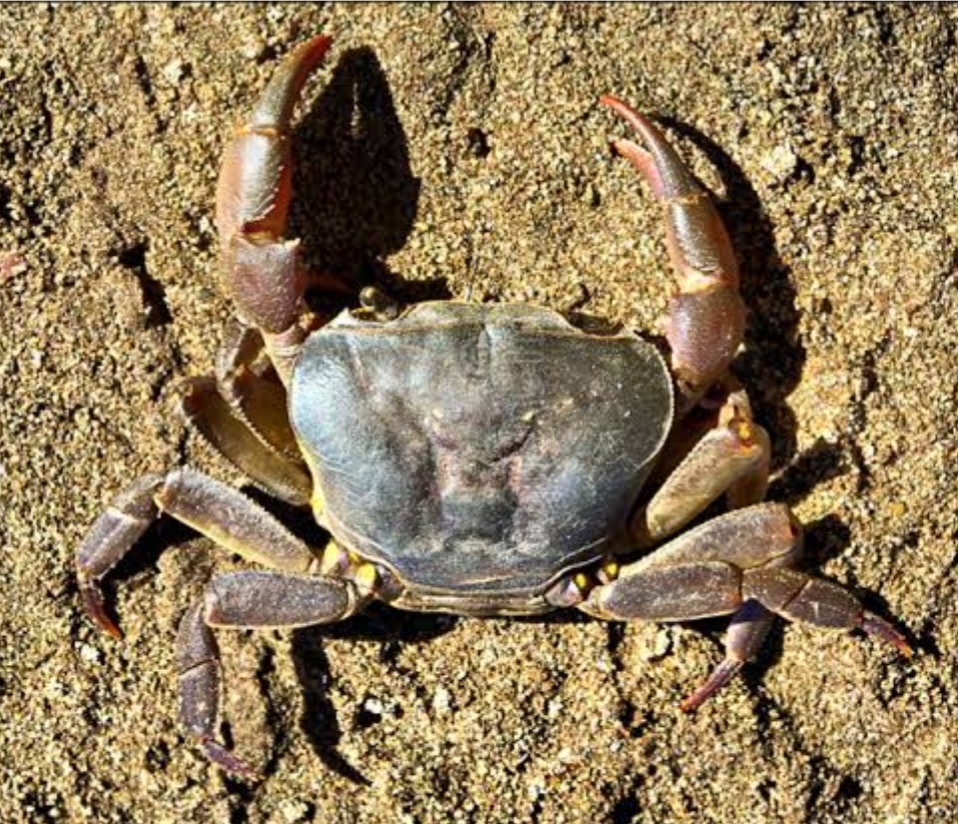
Crabs From Maharashtra

Image
There are various species of crabs found in the coastal region of Maharashtra, India. Some of the commonly found crabs include the mud crab, blue swimming crab, red crab, and sand crab. Mud crabs are usually found in the estuaries and mangroves of Maharashtra. They are usually brownish or greenish in color and have a hard shell. Blue swimming crabs are found in the Arabian Sea along the Maharashtra coast. They are usually blue or green in color and have a hard shell. Red crabs are found in the rocky shores and tidal pools of Maharashtra. They are usually bright red in color and have a hard shell. Sand crabs, as the name suggests, are found in the sandy beaches of Maharashtra. They are usually light brown in color and have a soft shell. Crabs are a popular seafood delicacy in Maharashtra, and they are cooked in various styles like curry, fry, and masala. They are also used in various traditional recipes like crab vada, crab cakes, and crab soup